
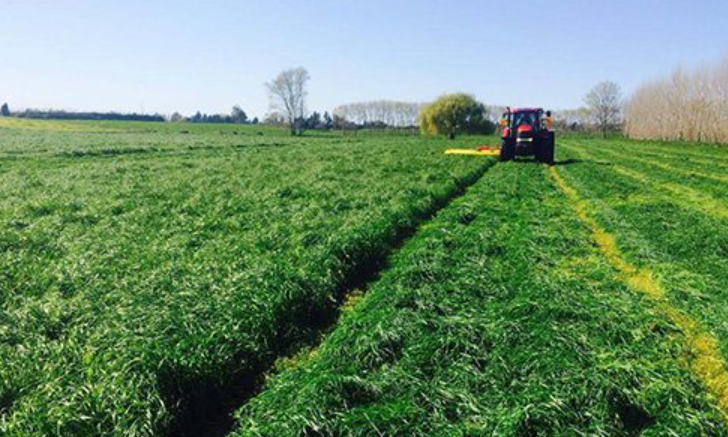
Drive down almost any rural backroad, and you’ll eventually pass one of those properties.
You know the ones: spotless white rail fences, manicured pastures clipped like a suburban golf course, brand-new sheds, and not a single thistle or weed in sight. It’s easy to look at a place like that and think, “That’s what real farming looks like. That’s what I’m supposed to be doing.”
But here’s the truth that rarely makes the glossy magazine covers: a grower farmer is not an estate manager, and you don’t need a picture-perfect farm to be a master of your craft.
At its absolute core, successful grazing isn’t about owning pristine dirt, spending hundreds of thousands of dollars on machinery, or having the neatest paddocks in the county. It boils down to one essential skill: knowing how to feed animals well.
The Grower’s Real Job:
A farmer with average soil, undulating terrain, or outdated equipment who understands plant growth cycles will consistently outperform a farmer with the pristine farm who doesn’t understand feed management. You don’t need the best farm; you need to understand the relationship between plant growth, animal intake, and recovery time.
So, what does it actually mean to “know how to feed animals” on the pasture?
It comes down to matching Feed Supply with Animal Demand. A great grower spends less time admiring their land and more time observing three critical things:
-
The Animal’s Body Language: Are the livestock content, chewing their cud, and full? Or are they pacing the fence line, bellowing? Heifers get bored easily, and reading your stock tells you instantly whether your pasture allocation is right. The more you shift them, the more they will eat.
-
The Plant’s Recovery: Is the pasture ready to be grazed again, or are you biting off fresh green shoots before the plant has restored its energy reserves? Overgrazing isn’t a function of how many animals you have—it’s a function of how long they stay in one spot and how quickly they come back: strip grazing and back fencing play a huge part in this.
-
Managing the pasture: Active pasture management—through rotational grazing, timely mowing, and strategic surplus harvesting—keeps forage in its peak vegetative state to maximise feed quality and build essential winter and summer supplements like hay and silage.
When you master the timing of stock moves and understand how much bulk dry matter your animals require each day, good feed management naturally builds better pasture over time. Or, as many people say, “Grass grows grass!”
After 15 years as an NZ Grazing Service Manager working with many farmers in Northland, I’ve seen firsthand that you don’t need perfect farms to grow outstanding heifers—just sharp, consistent management.
Ruth Kitchen
Northland Service Manager