FEBRUARY CLIENT SPOTLIGHT:
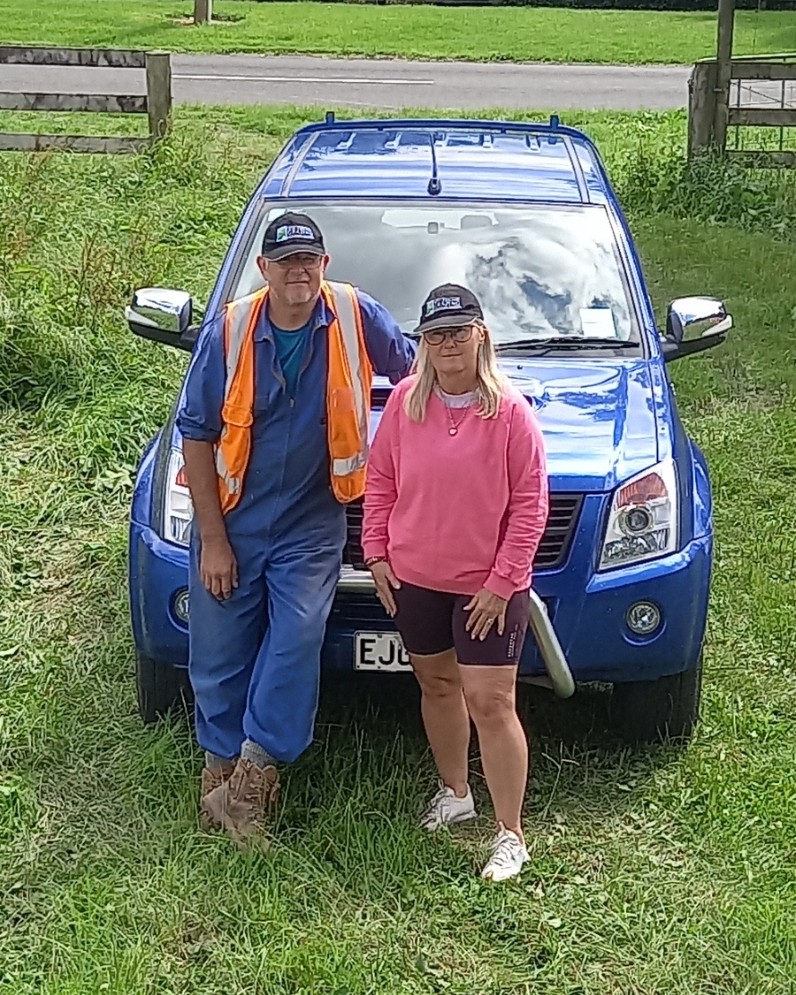
IAN AND LISA JEFFERY
ROSEMONT HOLDINGS LIMITED – GROWER
Tell us a bit about your farm — where are you based, and how long have you been grazing stock?
Our Farm is situated in Whakamarama Tauranga. We have resided here for four generations. The farm was originally 40 ha and slowly over the years grew to 140 ha, with the equivalent in lease blocks.
The farm started off with Dairying and Pigs and this grew into two dairy herds, ( spring and autumn Herds) running on side by side farms Along with this, was our pig business, that grew to be the leading landrace breeding business in New Zealand.
My wife, Lisa and I, took over the Dairy side of the business 40 years ago and ran this right up to 4 years ago, at which we then switched over to dairy grazing.
How long have you been working with New Zealand Grazing?
We have been with New Zealand Dairy Gazing prior to running Dairy Heifers. So one would say we have been on both sides of the fence. This was back when we had the herds. So since then it has been 4 years and the farm has been under the management of our farm manager, who has been with us for 14 years.
What are your key priorities when stock arrive on your farm?
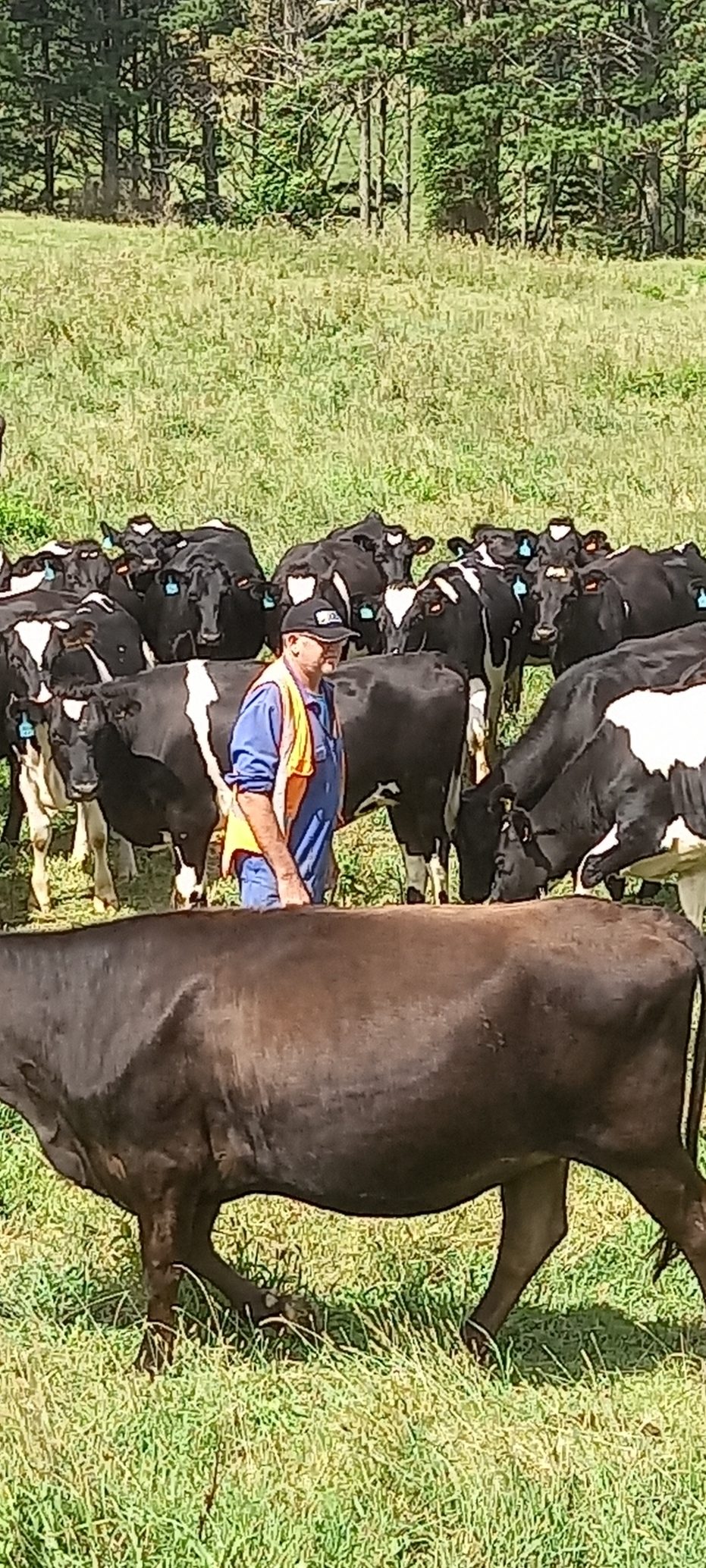
First off its the condition and weights they arrive in, and then we look at the mob sizes relative to weights. From there it’s a matter of looking at the various sections of the farm that suite the mobs. We try to run mob sizes at about 80-90 head a mob. We get about 300 head in, so this mob sizing and allocation is important for growth.
What kind of information or tools from NZ Grazing help you the most in managing stock?
NZ Grazing weigh Days are important. We have time to discuss growth , feed and any burdens on cattle that may influence growth. Due to the fact the our service manager covers a vast area, his feed back becomes a valuable tool.
What advice would you give to someone new to grazing stock for others?
Just remember that these are someone else’s animals and that they have entrusted you to do the best you can to maximise growth and return an animal that you would be happy to calve down and milk.
How do you manage seasonal challenges like summer dry or winter wet conditions?
We have been on this farm for a while, and our manager has been through many seasons.
Having a good supply of stored feed going into both periods is important and knowing what to feed and where to put mobs is important. Young heifers are certainly different to running cows. Balancing intakes on young animals does take some managing.
What’s one thing you’ve learned that’s made a big difference to your grazing success?
Fertilizer, Feed management and a good farm manager.
What’s your favourite time of year on the farm?
As we have milked and farmed all year round, Mid spring is always nice. Days are warming up, cattle start settling down. It’s the time of year that brings growth and a time to reflect on the work put in over winter.